The Power of Self-Compassion in Aging
Imagine if every time you stumbled or faltered, a kind voice whispered, “It’s okay, take your time, you’ve got this.” Now, consider if that compassionate voice was your own. As we age, we often become tough critics of our own lives, forgetting the gentle art of self-compassion that can make our golden years not just bearable, but beautiful. Let’s explore how being kind to ourselves can be a secret weapon for thriving in later life.
Understanding Self-Compassion
Self-compassion isn’t about giving yourself a pass on every mistake; it’s about treating yourself with the same kindness and understanding during tough times that you would offer a good friend. This empowering trait comprises three key elements:
- Self-kindness: Offering warmth and understanding to ourselves when we suffer, fail, or feel inadequate.
- Common humanity: Recognizing that suffering and personal inadequacy are part of the shared human experience—something we all go through rather than something that happens to us alone.
- Mindfulness: Maintaining a balanced approach to our negative emotions so that our feelings are neither suppressed nor exaggerated.
Self-compassion is a powerful tool, not a sign of weakness or self-pity. Indeed, it’s about fostering strength from within, allowing us to face life’s challenges with a resilient and open heart.
The Science of Self-Compassion and Aging
Empirical studies have consistently highlighted the psychological benefits of self-compassion, especially for older adults. For instance, embracing self-compassion is associated with reduced symptoms of anxiety and depression—common challenges that can compound with age. This approach doesn’t just help emotionally; it also diminishes physiological stress responses like cortisol production, which can exacerbate other age-related health issues.
Behavior-wise, self-compassionate individuals often maintain healthier lifestyles. They are more likely to stick with exercise regimes and enjoy better sleep patterns, both essential components of aging healthily.
Practical Applications in Daily Life
Incorporating self-compassion into daily life might seem daunting, but here are some actionable steps to get you started:
- Mindfulness exercises: Engage in daily practices such as mindful breathing or meditation to become more present and less self-critical.
- Journaling: Regularly writing down your thoughts can be a powerful way to process emotions and cultivate a compassionate inner voice.
- Self-compassionate language: Talk to yourself as compassionately as you would to a friend facing similar challenges.
These tools are not just psychological bandaids; they are robust methodologies for navigating the complexities and challenges of aging with grace and resilience.
Self-Compassion and Lifestyle: Fitness, Nutrition, and Sleep
Let’s look at how self-compassion can specifically influence key areas of our lifestyle:
Fitness
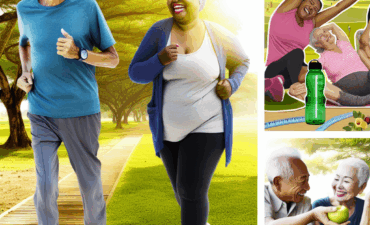
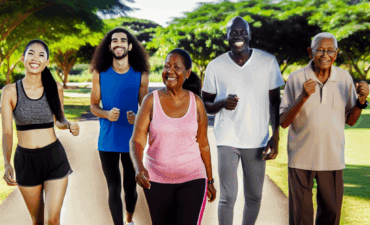
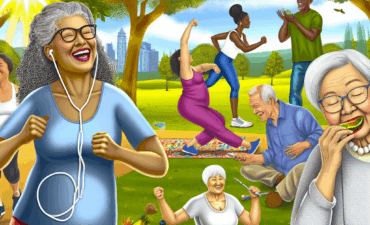
With self-compassion, exercise becomes not a chore but a celebration of what your body can do. It’s about enjoying movement and activity without harsh judgments or unrealistic expectations.
Nutrition
Eating becomes an act of nourishment and enjoyment. It’s about choosing foods that feel good and taste good, without the guilt.
Sleep
Creating a calming pre-sleep routine with self-compassion can significantly enhance the quality of your sleep, helping you to unwind and rest deeply.
Integrating Self-Compassion with Medical and Therapeutic Approaches
Recognizing its benefits, more healthcare professionals are incorporating self-compassion into therapeutic practices, especially for seniors. From therapy sessions to community workshops, the emphasis on self-compassion is growing, helping older adults lead fuller, more satisfied lives.
Conclusion
Self-compassion is more than just a nice-to-have; it’s an essential component of a fulfilling life, especially as you age. By embracing kindness toward ourselves, we can transform our later years into a period of growth and deep personal satisfaction.
What gentle step will you take today to treat yourself with the compassion you deserve? How might this simple act change the way you view your journey through aging?