What Your Nails and Hair Say About Your Health: Early Signs of Aging and Deficiencies
Have you ever considered that your hair and nails might be the gossip columnists of your personal health magazine? They often have the inside scoop on what’s happening inside your body. From revealing the tales of aging to whispering secrets about nutritional deficiencies, these parts of our body can tell us much more than whether we’ve had a bad hair day or a fabulous manicure.
The Science of Hair and Nails
Biology and Growth
Your hair and nails are not just there for good looks; they are composed of keratin, a protein that serves as a telltale indicator of your health status. Changes in their texture and appearance can be clues to underlying health conditions, particularly as these features alter noticeably with age due to shifts in hormones, metabolism, and blood circulation.
Common Changes and Their Meanings
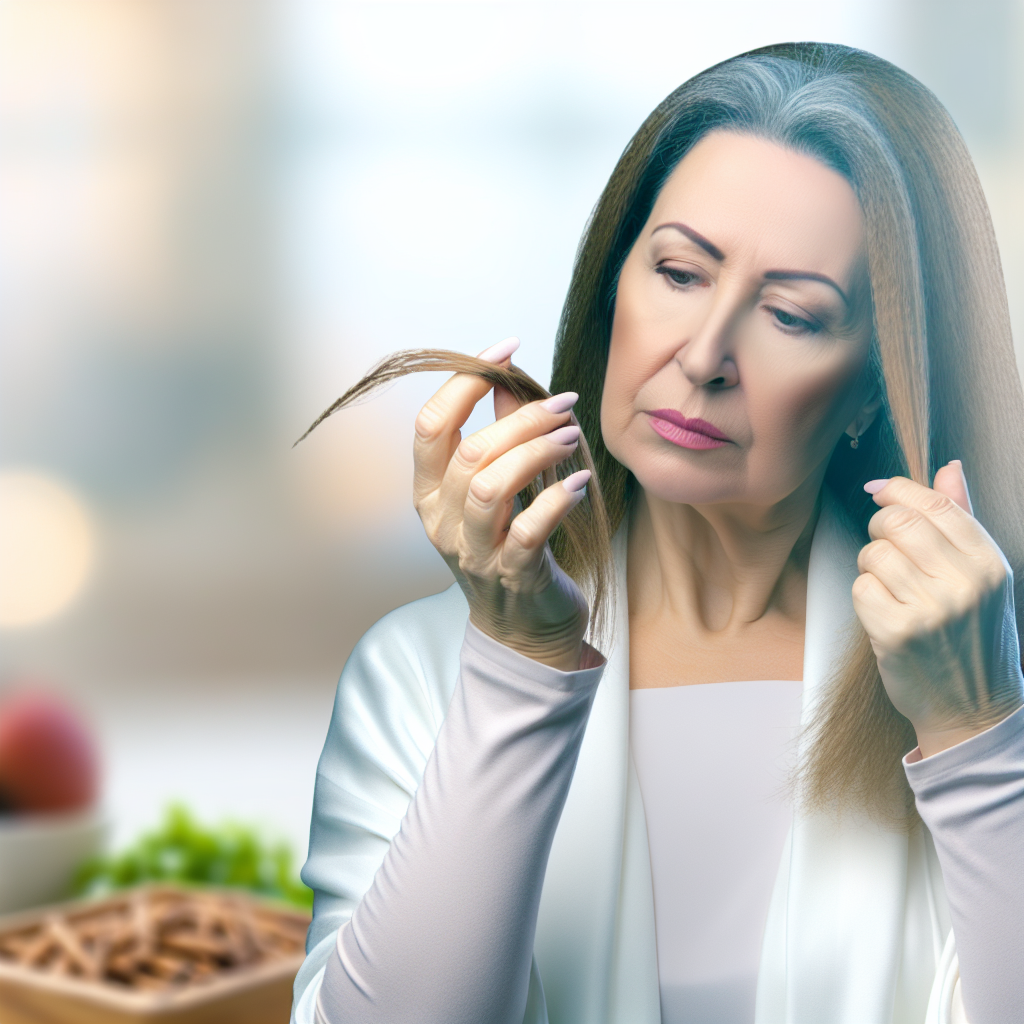
Ever noticed your nails becoming brittle or your hair not having the same lushness? These changes could hint at deficiencies or health issues — for instance, brittle nails may suggest an iron deficiency and dry hair might indicate a need for more essential fatty acids.
Nutritional Deficiencies and How They Affect Your Appearance
Key Nutrients
- Biotin: Crucial for hair growth and strengthening nails.
- Protein: Supports keratin production, vital for both hair and nails.
- Omega-3 Fatty Acids: Keeps your scalp and nails well-moisturized.
Diet Tips
Enhancing your diet with foods rich in these nutrients can be a game-changer for your appearance and health. Integrating salmon, chicken, and nuts into your meals can help address these visual signs and boost your overall wellness.
Age-Related Changes in Hair and Nails
What to Expect in Your 40s, 50s, and Beyond
As you age, you might notice that your hair and nails don’t quite recover like they used to. This can be due to decreased cell regeneration and lower natural oil production. Understanding these changes can help you take proactive steps in managing your health.
Mitigating Age-Related Changes
Incorporating regular moisturizing routines and considering supplements can significantly improve the condition of your nails and hair. Consulting with a dermatologist for targeted treatments can also be beneficial.
Fitness and Lifestyle: Boosting Hair and Nail Health
Exercise Benefits
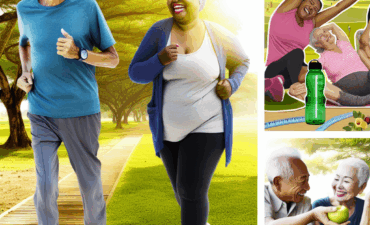
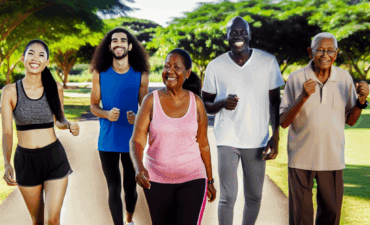
Physical activity does more than keep you fit; it enhances blood circulation, ensuring that nutrients reach your hair and nail cells efficiently. Activities like brisk walking or swimming can make a noticeable difference in their health.
Stress and Your Appearance
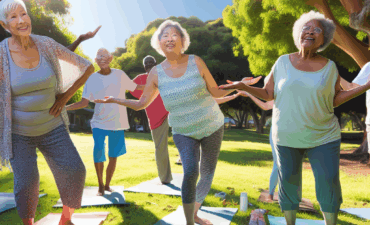
High stress levels can take a toll on your whole body, including your hair and nails. Engaging in stress-reducing activities like yoga or meditation can help preserve both your mental and physical health.
Practical Care Tips for Healthy Hair and Nails
Daily Care Routines
Treat your hair and nails kindly by avoiding harsh treatments and chemicals. Opt for natural drying and protective styles, and consider using supplements like biotin-enriched products.
When to Seek Help
If you notice significant or sudden changes in your hair or nails, it’s wise to consult a healthcare professional. These changes can be indicators of deeper health issues that require attention.
Conclusion: Reflect and Act
While minor changes in your hair and nails are normal as you age, more pronounced alterations might be your body’s way of asking for help. Whether adjusting your diet, stepping up your exercise routine, or seeking medical advice, taking action is crucial for maintaining not just your looks, but your overall health.
What will your first step be towards tuning into your body’s health signals through your nails and hair?