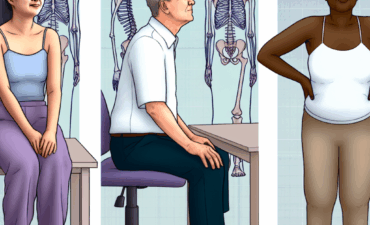
Forget the Scale: Embracing Holistic Health Measures After 50
Ever found yourself glaring at the bathroom scale as if it had personally offended you? That little device might have been a faithful bathroom companion once, but as we march into our 50s and beyond, it’s time to rethink its role in our lives. Aging brings about profound changes that a simple number on a scale can’t capture. Let’s dive into why those over 50 might want to start measuring their health by a richer set of standards.
Understanding Changes in Body Composition After 50
The Scale Tells Half the Story
Our bodies aren’t static; they evolve with age. While we might not welcome all these changes, understanding them can liberate us from the tyranny of the scale. For instance, the natural loss of muscle mass (sarcopenia) and changes in fat distribution can mislead if we rely solely on weight to gauge our health.
Why Muscle Matters
Muscle isn’t just about strength; it’s central to maintaining metabolism and overall vitality. As muscle mass decreases, metabolism slows, which can lead to weight gain if eating habits remain unchanged. This is a key reason why the scale can become an unreliable health indicator over time.
Beyond the Scale – Alternative Health Metrics
More Than Just Pounds
It’s high time we celebrated more meaningful metrics:
- Waist Circumference: A critical indicator of health risks associated with obesity.
- Body Fat Percentage: Offers a clearer picture of body composition changes.
- Muscle Mass: Essential for metabolic health and physical stability.
Functional Fitness Tests
These practical assessments can tell you a lot about your daily health and mobility:
- Sit-to-Stand Test: Gauges lower body strength and endurance.
- Walking Speed: Reflects overall fitness and mobility capabilities.
- Grip Strength: Linked to muscle health and longevity.
Current Trends in Fitness and Nutrition for Older Adults
Functional Fitness Over Traditional Workouts
More and more, fitness experts are championing exercises that mirror daily activities. This functional approach not only makes daily life easier but also helps prevent common age-related injuries.
Nutrition That Nourishes
With a slowing metabolism, it’s vital to focus on nutrient-rich foods to maintain energy levels and muscle mass. This means plenty of fruits, veggies, and lean proteins, all tailored to support an aging body.
Psychological and Emotional Aspects of Ditching the Scale
The Weight of the Scale
The emotional weight of a number can often overshadow genuine health gains, like better mobility or reduced reliance on medications. It’s a psychological burden we can do without.
A Healthier Mindset
Embracing body positivity and focusing on abilities rather than scale numbers can lead to significant improvements in life satisfaction and overall health. Integrating mindfulness and stress reduction into your routine can also enhance these benefits.
Putting It All Together – Practical Steps to Shift Your Focus
From Weighing to Wellbeing
Start by setting functional goals—like walking further, sleeping better, or feeling more energetic. Celebrate every step forward, not just the numbers on a scale.
Regular Check-ups and Continuous Learning
Keep up with regular medical screenings and stay informed. Being proactive about your health is the best way to enjoy your later years.
Conclusion
Expanding your health metrics beyond the scale can open up a new world of insights and achievements. After all, isn’t life after 50 about living your best life, not just recording the lowest number?
What new achievements could you celebrate if you shifted your focus from weight to well-being?