Discovering the Fountain of Youth: Can Nature Really Slow Down Aging?
Picture this: a serene landscape, the sound of rustling leaves, and a sense of peace that washes over you with every breath. This isn’t just a relaxing getaway; it might be the secret to turning back the clock on aging. With emerging research praising the youth-preserving powers of nature, perhaps it’s time to swap your anti-aging serums for a pair of hiking boots. Let’s explore how rekindling our bond with the outdoors can lead to a longer, healthier life.
The Science Behind Nature’s Anti-Aging Effects
How Nature Alleviates Biological Aging
The stress relief you feel during a calm forest stroll is more than a placebo effect; it’s a scientific phenomenon. Being in nature has been shown to lower cortisol levels, a stress hormone linked with numerous aging-related health issues. Moreover, natural environments can help reduce inflammation, a major player in chronic diseases and accelerated aging. Intriguingly, research suggests that regular exposure to greenspaces might even influence telomere length, a key indicator of cellular aging.
The Psychological and Cognitive Perks of Green Spaces
It’s not all about the body; your mind reaps benefits from nature too. Studies have consistently shown improvements in mental health, cognitive function, and overall mood with regular nature interaction. Whether enhancing memory or sparking creativity, nature acts as a catalyst for mental clarity and vigor.
What Current Research Says About Nature and Longevity
Evidence from Epidemiological Studies
Large-scale studies have drawn a clear connection between access to nature and better health outcomes. Communities with ample greenspaces see lower rates of obesity, heart disease, and even mortality. Experimental studies bolster this, showing direct improvements in biological aging markers among participants who engage with nature.
Technology Meets Nature
In our digital age, technology often chains us indoors. Yet, it’s also becoming a tool to reconnect us with the great outdoors. Virtual reality experiences and mobile apps are making nature more accessible, offering innovative ways to enjoy its benefits, even from our living rooms.
Integrating Nature into Your Daily Life
Practical Tips for Embracing the Outdoors
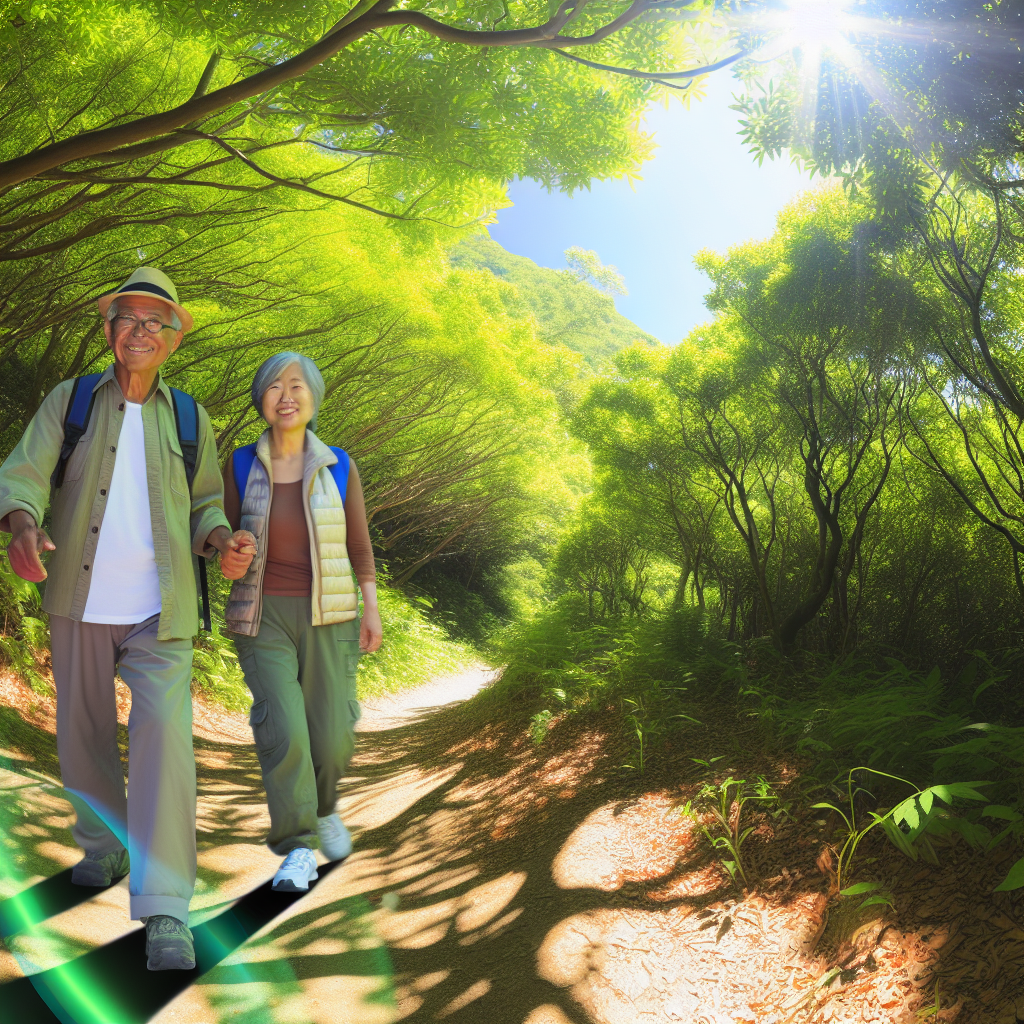
- Walk Regularly: Simple daily walks in local parks or nature trails can significantly boost both mental and physical health.
- Engage in Gardening: Gardening not only nurtures the soul but also keeps the body active, with the added perk of fresh produce.
- Decorate with Indoor Plants: For those with limited access to outdoor spaces, indoor plants can bring a touch of nature’s benefits indoors.
Breaking Down Barriers to Access
Despite the benefits, accessing nature can be challenging, particularly in urban areas or for individuals with mobility issues. Solutions like community gardens, accessible park trails, and even small balcony gardens can help overcome these obstacles, promoting inclusivity in natural wellness.
Diverse Cultural Approaches to Nature and Aging
A Global Perspective on Greenspaces
Different cultures have long recognized the health benefits of nature. From the Japanese practice of Shinrin-yoku (forest bathing) to the integration of lush courtyards in Mediterranean lifestyles, global traditions underscore the timeless bond between nature and health.
Embracing a Greener Path to Longevity
The evidence is clear: nature isn’t just a luxury; it’s a necessity for maintaining youth and vitality. Whether through reduced stress, enhanced mental health, or direct biological benefits, the natural world offers a potent antidote to aging. So, why not let the outdoors be your personal elixir of life?
As we wrap up our exploration, think about how you can reconnect with nature. What small step can you take today to bring more of the natural world into your daily routine? The path to a greener, longer life is just outside your door. Are you ready to step out?