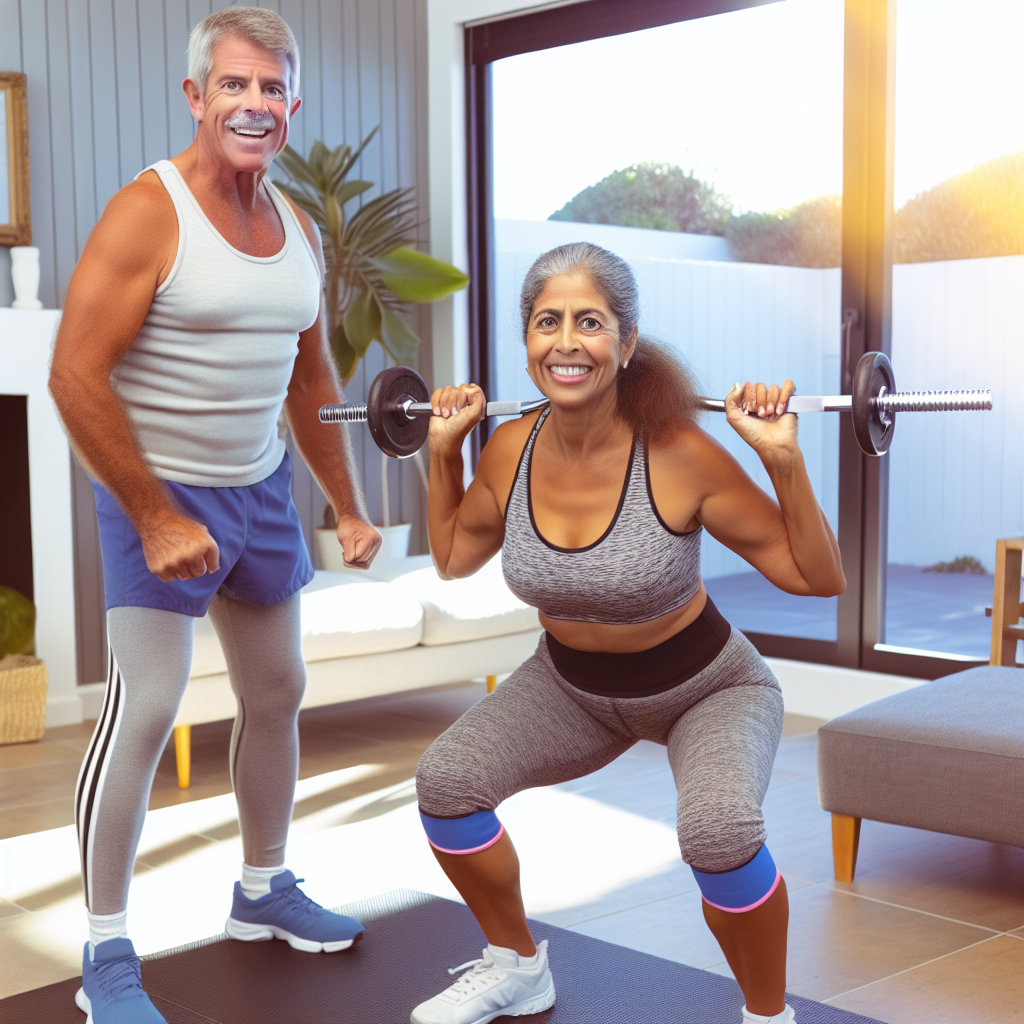
Why Strength > Cardio After 50: Muscle as Metabolic Gold
Picture this: you’re over 50 and the gym calls to you. But it’s not the treadmill that beckons—it’s the clink of weights on the rack. Surprised? As it turns out, those muscles you build aren’t just for flexing; they’re crucial allies in your journey towards a healthier, more vibrant lifestyle. Let’s dive into why, after the half-century mark, strength training might just trump cardio in keeping you fit and fabulous.
The Science of Aging and Muscle Loss
Understanding Sarcopenia
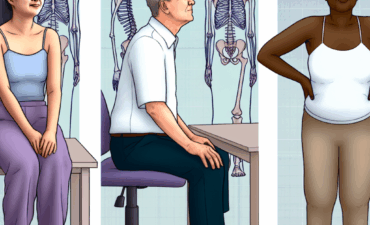
Sarcopenia—the fancy term for muscle loss due to aging—sounds like a villain in a sci-fi movie, but it’s a real challenge many face after 50. Did you know that you can lose 3 to 5% of your muscle mass each decade after 30? It’s a sneaky process, but awareness is the first step in rallying your bodily defenses.
Muscle – The Metabolic Powerhouse
Think of your muscles as your body’s natural furnace. Maintaining muscle mass keeps your metabolic rate fiery, helping you burn more calories even while lounging. More muscle means more energy expenditure without extra effort—talk about a win-win!
Strength vs. Cardio – What’s Best After 50?
The Case for Strength Training
It’s not just about looking good in the mirror. Strength training enhances life quality by preventing bone density loss, boosting metabolism, and even reducing the risk of chronic diseases. It’s your ticket to staying active and independent well into later life.
Limitations of Cardio Alone
Cardio has its perks for heart health and more, but when it comes to preserving muscle, it’s not quite enough. Cardio can help with weight management and cardiovascular fitness, but it lacks the muscle-building punch that strength training provides.
Practical Benefits of Strength Training for Seniors
Beyond the Gym – Real World Benefits
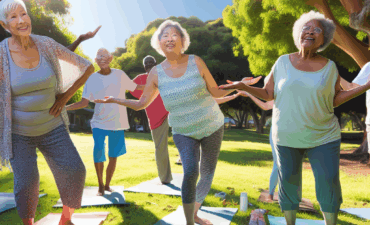
Strong muscles do more than make you look buff; they help with everyday tasks. From carrying groceries to playing with grandkids, or opening tight jars, strength translates into real-world benefits. Just ask John, 65, who swapped his daily walks for weight sessions and now champions grocery-carrying efficiency.
Managing Chronic Conditions
On a more serious note, strength training is pivotal in managing conditions like type 2 diabetes and arthritis. It improves glucose control and enhances mobility, making it a crucial part of disease management and overall health maintenance.
Getting Started with Strength Training
Safe Practices for Older Adults
Before you embark on your strength training journey, getting a thumbs-up from your doctor is crucial. Learning the ropes safely under the guidance of a trained professional can help you avoid injuries and maximize benefits.
Simple Exercises to Begin At Home
- Chair Squats: A great starter exercise for building leg strength safely.
- Wall Push-ups: Ideal for strengthening the upper body without the strain of traditional push-ups.
- Bicep Curls: Can be done with light weights or household items like water bottles.
Integrating Strength and Cardio for Optimal Health
Crafting the Perfect Routine
To reap the maximum health benefits, a balanced approach is key. Alternate between strength training and cardiovascular exercises like walking or swimming to keep both your muscles and heart in top condition. This holistic strategy supports overall health and longevity.
Conclusion
Embracing strength training after 50 isn’t just about building muscle—it’s about crafting a lifestyle that keeps you active and independent. Whether it’s hoisting a dumbbell or a grandchild, your muscles play a critical role in your life’s quality. Isn’t it time to give them the attention they deserve? What small step could you take today to start building a stronger tomorrow?