Why Muscle Is the New Organ of Longevity
Imagine your muscles are secret agents working undercover to extend your life and enhance its quality. Yes, those muscles do more than make you look good or help you lift heavy objects—they are crucial warriors in the battle for long, vibrant living. As we peel back the layers on aging and fitness, it becomes clear: maintaining muscle mass is not just for athletes but a key ingredient for aging gracefully.
The Science of Muscle and Aging
Understanding Muscle Loss with Age
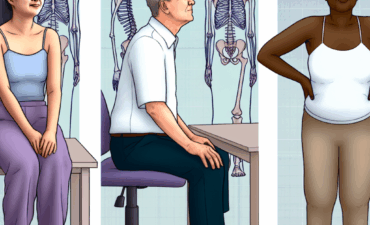
Our bodies begin to lose muscle mass and function as we age, a process known as sarcopenia. This typically kicks into higher gear around age 50 and can lead to significant declines in health if not managed. The culprits? Hormonal changes, decreased physical activity, and alterations in protein metabolism all play their part in this gradual muscle heist.
Muscle as a Metabolic Regulator
Muscles regulate blood sugar, manage cholesterol, and reduce body inflammation. Strong muscles thus mean a more resilient body, capable of fighting off diseases and bouncing back faster from illnesses—ensuring a more robust health profile as you age.
The Benefits of Maintaining Muscle Mass
Physical Independence
Maintaining muscle strength is crucial for balance and mobility, reducing the risk of falls—a major concern for seniors—and helping maintain independence. Muscles are your personal assistants, helping you perform daily activities from carrying groceries to enjoying a dance at your grandchild’s wedding.
Psychological and Cognitive Benefits
Regular strength training boosts mood and enhances cognitive function. It turns out, engaging your muscles can also engage your brain, acting as a natural mood lifter and a cognitive enhancer.
Nutrition and Muscle Maintenance
Protein Power
Eating sufficient amounts of protein is key for muscle repair and growth. Incorporate a variety of protein sources such as lean meats, beans, and whey protein supplements into your diet to support muscle health.
Vital Vitamins and Minerals
Beyond protein, muscles need Vitamin D, B12, magnesium, and omega-3 fatty acids for optimal function and recovery. A diet rich in fatty fish, leafy greens, nuts, and dairy or fortified alternatives is essential to keep your muscle machinery well-oiled and functional.
Practical Strategies for Muscle Building and Retention
Strength Training Essentials
Strength training can be adapted to any fitness level and doesn’t always require heavy weights. Simple tools like resistance bands, bodyweight exercises, and even practices like yoga can significantly enhance muscle strength.
Overcoming Barriers
For those with arthritis or mobility issues, there are plenty of exercise modifications available. Low-impact options such as water aerobics, chair yoga, and light dumbbell exercises can help maintain muscle without overtaxing your joints.
Leveraging Technology and Community
Tools of the Trade
Use fitness trackers and apps to monitor progress and maintain motivation. These tools can help personalize your workout routines and track your advancements over time.
The Power of Community
Joining a fitness class or an online exercise community can provide the support and motivation needed to stay on track. Many community centers offer senior-specific programs, making it easier to find a suitable and enjoyable regimen.
Conclusion
As we’ve explored, muscles do far more than meet the eye. They are pivotal in maintaining both physical and mental health, playing a central role in how gracefully we age. Isn’t it time to start viewing muscle maintenance as a critical part of your health regimen?
What will be your first step towards embracing muscle health as a vital ingredient for a long and fulfilling life?