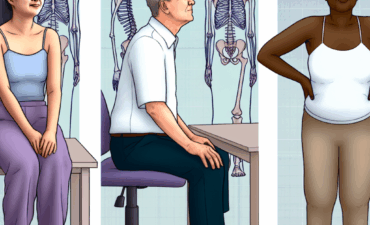
Welcome to the Golden Years: Optimizing Protein for Muscle Maintenance
Imagine if maintaining your youthful strength was as simple as scheduling your meals just right. As we ascend into our golden years, holding onto muscle isn’t just about vanity—it’s about mobility, balance, and independence. In this article, we’ll dive into the concept of protein timing and explore how this strategy could be the secret to sustaining muscle strength as we age. Get ready to transform your dietary habits, and perhaps, reverse the clock on aging muscles.
Understanding Muscle Health and Aging
What Happens to Our Muscles as We Age?
With each passing year, our muscles naturally lose mass, a condition known as sarcopenia. This muscle loss impacts more than just our ability to flex in the mirror—it’s crucial for maintaining mobility and balance. Moreover, older adults face anabolic resistance, making it harder for their bodies to build muscle in response to exercise or protein intake.
The Role of Protein
Protein is essential for muscle protein synthesis (MPS), the repair and growth process of muscle tissues. For seniors, optimizing protein intake is not just beneficial—it’s necessary for combating the gradual muscle loss experienced with aging.
The Power of Protein Timing
What is Protein Timing?
Protein timing involves consuming protein at specific times to maximize muscle maintenance, particularly capitalizing on the “anabolic window.” This period post-exercise is when muscles are primed to absorb nutrients. Think of it as the prime time for your muscles to feast and flourish.
How Timing Affects Protein Efficiency
Studies suggest that evenly distributed protein intake throughout the day can enhance muscle protein synthesis more effectively than loading up in a single meal. For elders, this could mean the difference between frailty and mobility, as regular protein intake supports muscle repair and growth round-the-clock.
Optimizing Protein Intake
How Much Protein Do We Really Need?
It’s recommended that older adults consume approximately 1.2 to 2.0 grams of protein per kilogram of body weight daily. This intake supports not only muscle health but also overall bodily functions. Whether from animal or plant sources, the quality of protein consumed is pivotal.
Combining Nutrients for Better Results
Protein doesn’t work in isolation. Carbohydrates and fats play crucial roles in transporting protein to the muscles and ensuring it’s used effectively. Vitamins and minerals also contribute to the overall process, making a balanced diet essential for optimal muscle maintenance.
Practical Tips for Everyday Life
Integrating Protein Timing Into Your Daily Routine
- Begin the day with a protein-rich breakfast to jumpstart muscle synthesis.
- Include a protein shake or a Greek yogurt after your workout to leverage the anabolic window.
- Ensure even protein distribution at dinner to maintain muscle synthesis overnight.
Exercise and Physical Activity Essentials
Combining protein timing with regular exercise enhances muscle maintenance. Strength training, in particular, can significantly boost the effectiveness of dietary protein, helping maintain muscle mass and function.
Conclusion
Your golden years should be filled with joy and independence, not concerns about mobility. By adjusting when and how much protein you consume, you can play an active role in maintaining your muscle strength and quality of life. Let your later years be your best years, with muscles to match!
How will you adjust your daily routine to incorporate these muscle-maintaining strategies? How might your life improve if you could maintain or even build strength as you age? Share your thoughts and inspire others to join you on this journey to a stronger future!