Meet Your Liver: The Unsung Hero of Longevity
Did you know that inside you lurks a superhero, tirelessly battling toxins, managing metabolism, and balancing hormones? This hero doesn’t wear a cape but is crucial in your quest for a long and healthy life. It’s your liver, a vital organ many of us overlook until it begins to complain. Let’s dive into why your liver deserves a little more love and how you can support it as you age.
Understanding the Liver’s Role in Our Body
The liver is akin to a highly efficient chemical processing plant. It cleans your blood, aids in digestion, and processes nutrients, ensuring that your body uses them effectively. But that’s not all; it also plays a pivotal role in detoxifying harmful substances that could otherwise be detrimental to your health.
Connection to Longevity
A healthy liver is synonymous with vitality and longevity. Efficient liver function ensures that essential processes like metabolism, blood sugar regulation, cholesterol management, and hormone balancing are optimized, directly influencing how gracefully we age and how good we feel doing it.
How Aging Affects Liver Health
As the years tick by, our liver function naturally begins to slow. The liver shrinks in size, and its blood flow diminishes. Consequently, its ability to detoxify substances and regenerate itself decreases, making us more prone to liver-related diseases.
Common Liver Challenges in the Elderly
Conditions such as non-alcoholic fatty liver disease (NAFLD) and cirrhosis can develop quietly but have severe health implications. These conditions are often directly tied to lifestyle choices made over decades, highlighting the importance of proactive liver care.
Optimizing Liver Health Through Nutrition
What you eat plays a critical role in maintaining liver health. Here are some ways to nurture your liver with your diet:
Foods to Favor
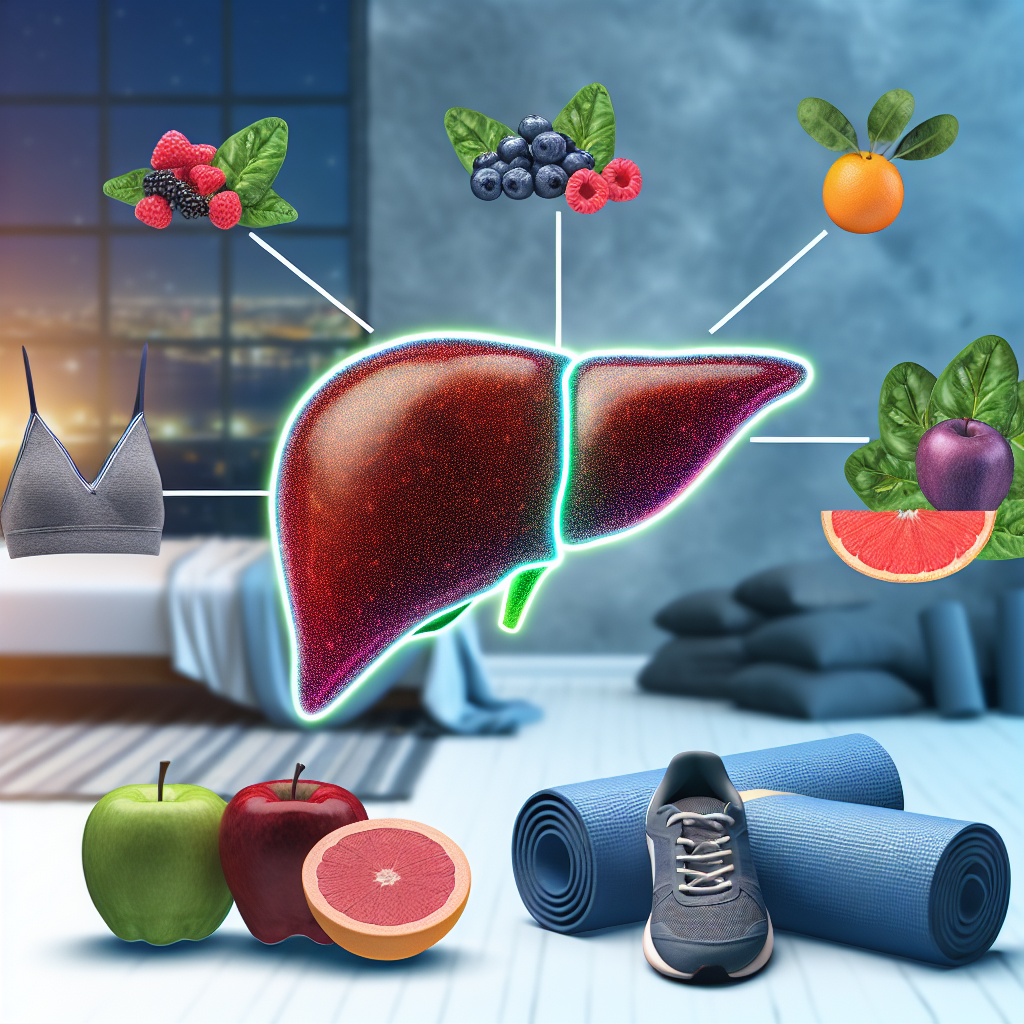
- Antioxidant-rich foods: Berries, nuts, and spinach help protect your liver cells from damage.
- Balanced macronutrients: A mix of healthy fats, proteins, and carbohydrates keeps your liver functioning smoothly.
Foods to Limit
It’s wise to avoid excessive alcohol and reduce intake of sugary and fatty foods, which can overburden your liver.
Practical Dietary Tips
- Incorporate liver-friendly foods like garlic and grapefruit into your meals.
- Choose organic foods when possible to minimize exposure to harmful pesticides and chemicals.
The Role of Physical Activity
Exercise isn’t just for keeping up appearances; it’s vital for maintaining a healthy liver. Regular physical activity can significantly reduce liver fat levels and improve enzyme counts, indicators of liver health.
Recommended Types of Exercise
- Strength training helps maintain muscle mass, which supports liver function.
- Cardiovascular exercises like walking or cycling not only boost overall health but also help reduce liver fat.
The Importance of Quality Sleep
Quality sleep is more than a beauty ritual; it’s crucial for liver health. Poor sleep can exacerbate liver conditions and impair the liver’s ability to detoxify effectively.
Tips for Better Sleep
- Maintain a regular sleep schedule to regulate your body’s natural sleep-wake cycle.
- Ensure your bedroom environment is conducive to relaxation and sleep.
Monitoring and Maintaining Liver Health
Regular check-ups can help catch any liver issues early. Blood tests that check liver enzyme levels provide a good indicator of how well your liver is functioning.
When to See a Doctor
Stay vigilant for signs of liver distress, such as jaundice, severe fatigue, or unexplained weight loss, and consult a healthcare provider promptly if these symptoms arise.
Conclusion
Your liver is a key player in your quest for a long and vibrant life. By nurturing this critical organ through a balanced diet, regular exercise, and adequate sleep, you are setting the stage for good health and longevity. What small change can you implement today to start treating your liver like the superhero it truly is?